
Exterior Painting in Downey, CA
Southern California sun is hard on paint. We repair, prime and coat the outside of your house so it holds its color and keeps the weather out.
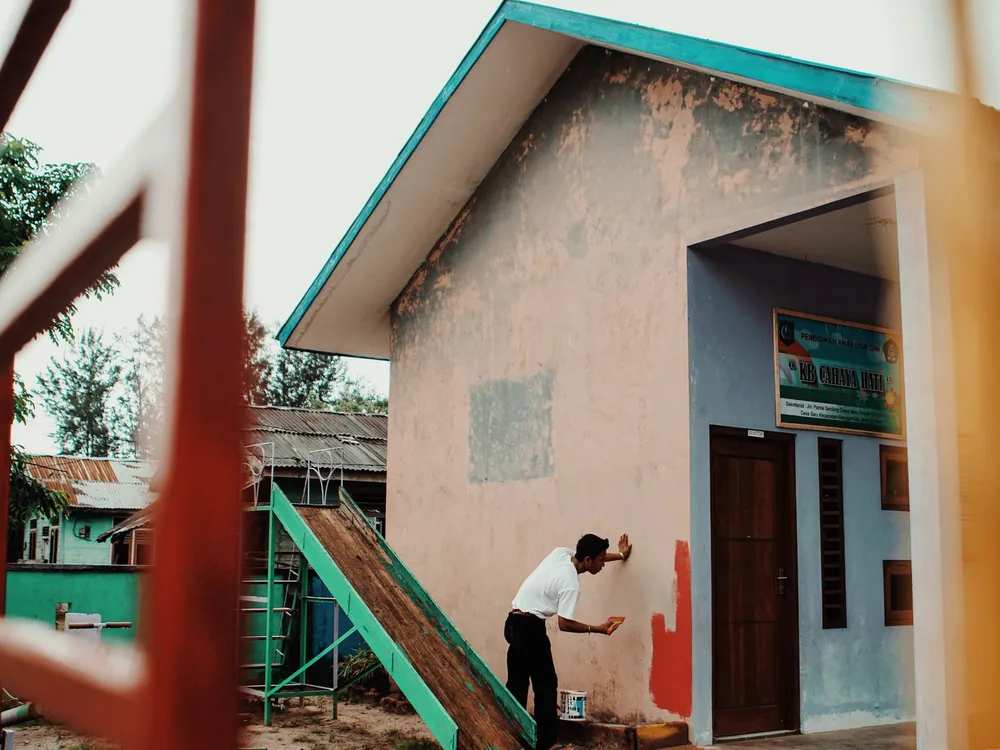
Exterior paint is protection first, color second
Exterior painting covers the stucco, siding, trim, eaves, fascia, doors and garage of a house. Its first job is protection: the coating is what keeps moisture out of the wall, slows the sun’s damage to the surface and hides the small hairline cracks that open as a building moves. Its second job is how the house looks from the street.
In Downey the typical house is stucco over wood framing, often with wood trim and a covered entry. Stucco absorbs water and chalks in strong sun, so the paint needs to be matched to the surface. Hairline cracks are common and are filled with flexible patching material before painting. Wood trim and eaves lose paint faster because they face the sun, and rot can start where the paint has failed.
Timing matters too. Our dry season gives most of the year to work in, but hot afternoons dry paint too fast for it to bond well, and Santa Ana wind days blow dust into wet paint. A good crew works around the sun, painting the shady sides in the afternoon and the sunny ones early, and skips windy days.
Signs the outside of the house needs paint
- Chalky, faded color. Rub your hand across the wall. If color comes off as powder, the paint has broken down in the sun and no longer protects the surface.
- Cracks and gaps in stucco. Hairline cracks let water into the wall. They should be patched before painting so the new coat seals them.
- Peeling or bubbling on trim and eaves. Failing paint on wood trim exposes the wood to moisture and can lead to rot if it is left for too long.
- Stains from sprinklers or runoff. Hard-water staining and dark streaks under gutters or roof edges point to areas that need cleaning and spot-priming before a full coat.
- The paint has not been redone in a long time. Exterior paint on a stucco house in full sun does not last forever, and repainting before it fails costs less than repairing what failure causes.
How we paint the outside of a house
Inspect and plan
We walk the exterior with you, check the stucco, trim and eaves for cracks and wood damage, and agree on colors and which parts get painted.
Wash and scrape
The house is pressure-washed to remove dirt and chalk, and loose or peeling paint is scraped so the new coat has a sound surface to bond to.
Repair
Cracks are filled, damaged stucco is patched, rotted trim is repaired or replaced, and gaps are caulked so the paint seals the surface.
Prime and mask
Bare wood, patches and stains are primed. Windows, doors, fixtures and landscaping are covered before painting begins.
Paint and inspect
We apply finish coats with brush, roller or sprayer as suits each surface, then walk around the house with you to check coverage and touch up.
What affects the cost of exterior painting
Exterior painting prices depend on the house itself more than on the paint:
Size and stories
Total wall area and the height of the house decide the labor and the equipment. Two-story homes need ladders or lifts.
Surface condition
Cracked stucco, peeling paint and rotted wood have to be repaired first, and that preparation is often a large part of the price.
Number of colors and trim detail
Multi-color schemes, lots of trim, shutters and detailed eaves take more time than a single wall color.
Paint type
Higher-quality paints and elastomeric coatings that bridge small stucco cracks cost more per gallon but can last longer.
Why homeowners choose us for exterior painting
The crew paints and repairs as part of the same job. If we find rotted trim or a cracked stucco wall, we can fix it ourselves instead of leaving you to hire a second contractor, and painting over damage is not an option we offer.
You get a written scope listing what will be washed, repaired, primed and painted. If the work grows because of hidden damage, we tell you before continuing so there is no surprise on the final bill.
Where we do this work
We paint the exteriors of homes in Downey and nearby cities such as Bellflower, Norwalk and Paramount, where stucco ranch houses are the norm and the sun fades color on south and west walls first.
Exterior Painting questions, answered
What is the best time of year to paint the outside of a house here?
Spring and fall are ideal, with moderate temperatures and dry weather. Summer works with careful scheduling, but surfaces that are too hot dry the paint too quickly. Winter rains can interrupt the work, so we watch the forecast.
Can you paint over stucco?
Yes. Stucco takes paint well when it is clean, sound and primed where needed. We patch cracks first and choose a paint suited to stucco, and can apply a flexible coating if the cracking is common.
Do you pressure-wash before painting?
Yes. Dirt, chalk and loose paint stop new paint from bonding. We wash the house and let it dry before priming or painting.
How long will an exterior paint job last?
It depends on the prep, the paint and how much sun the walls get. A properly prepped and coated stucco house can look good for many years, and south- and west-facing walls usually show wear first.
Will you protect my plants and landscaping?
Yes. We cover plants, windows and fixtures near the walls before washing or painting begins, and move anything we need access around.
Often needed alongside exterior painting
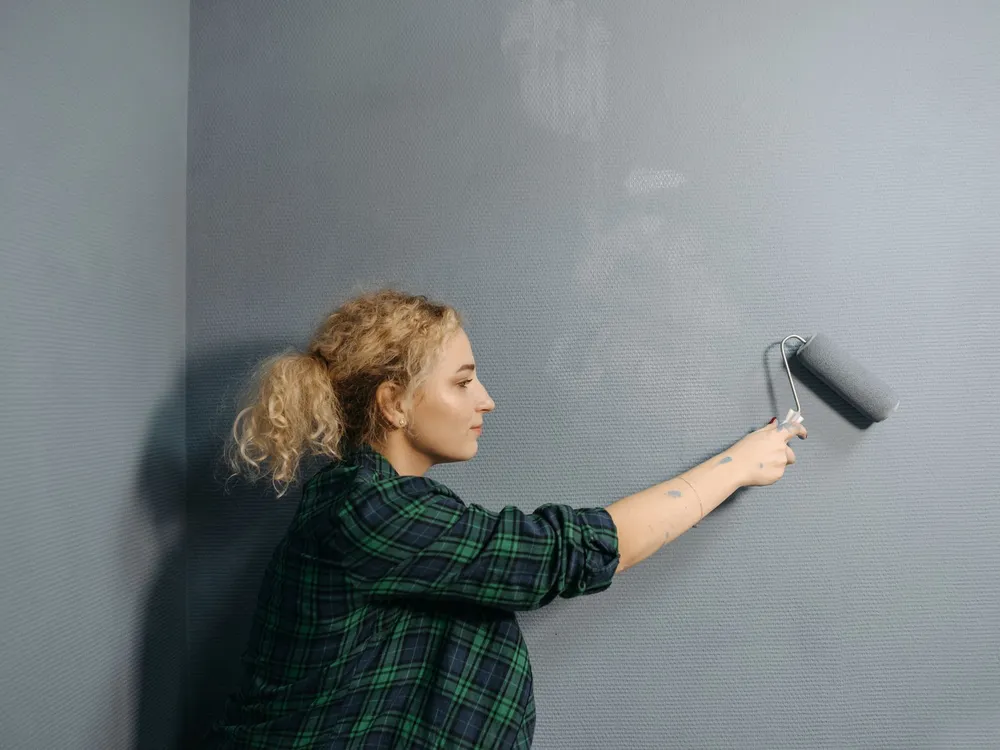
Interior Painting
Clean lines, patched walls and colors that look right in your light.
Learn more →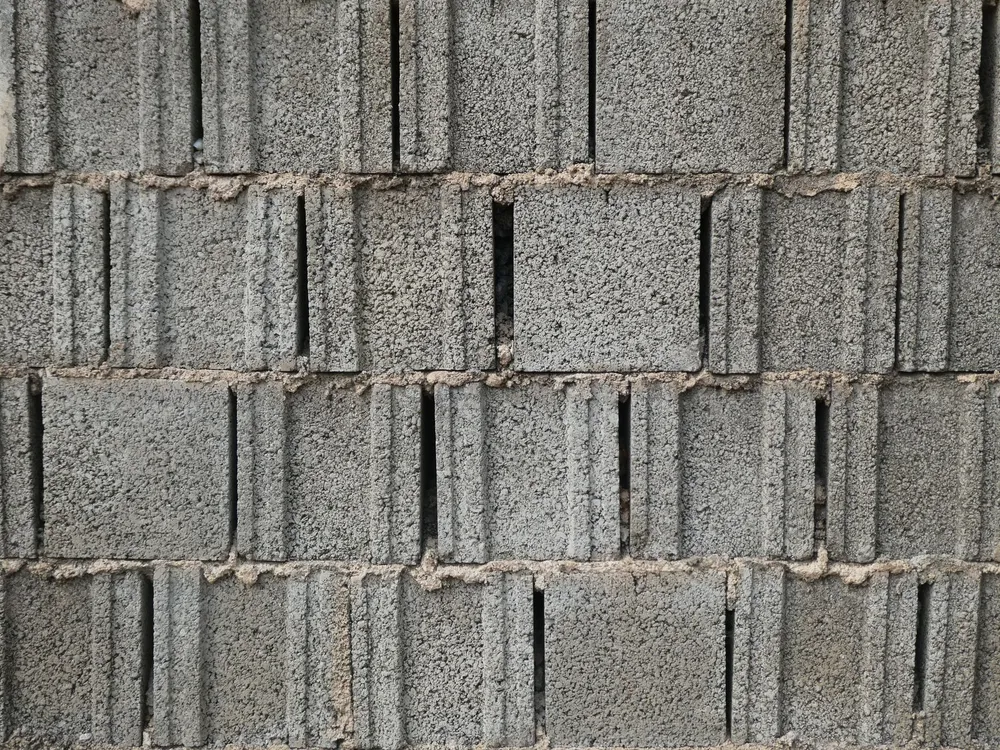
Cement & Block Work
Block walls, concrete flatwork and footings built to last in Southern California.
Learn more →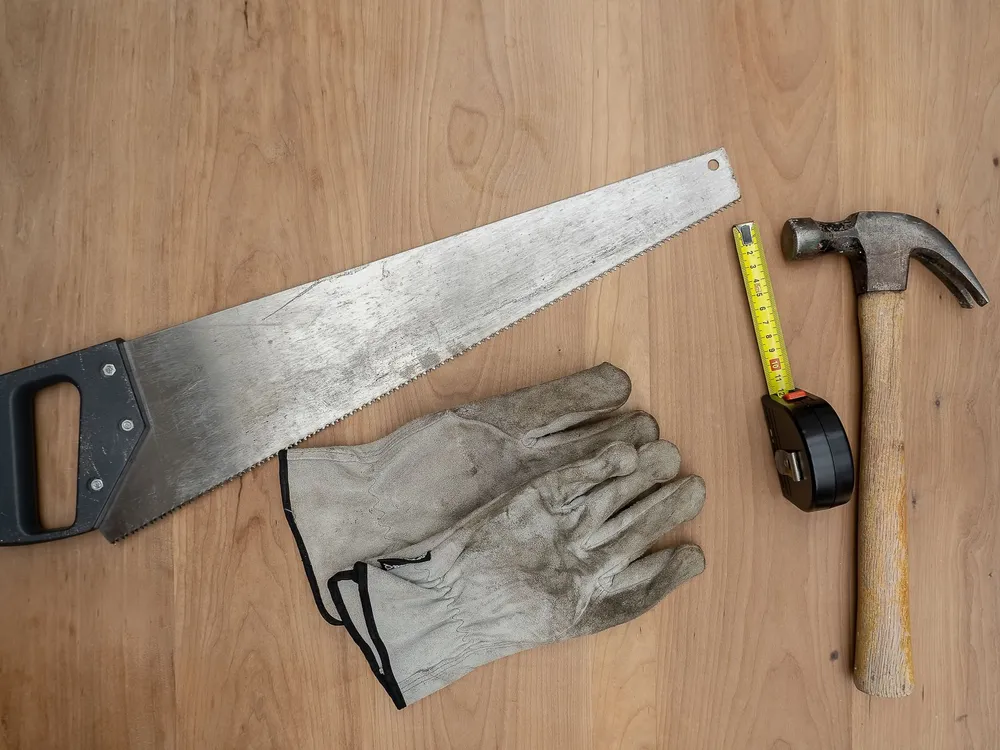
Handyman Services
Doors, drywall, fixtures and the long list you keep meaning to get to.
Learn more →
All Painting
Interior and exterior painting with the prep work that makes paint last.
Learn more →Ready to repaint the outside of your house?
Tell us about the house and what is bothering you. We will come look at the surfaces and give you a written quote.
¿Prefiere español? Llame al (714) 586-3088.